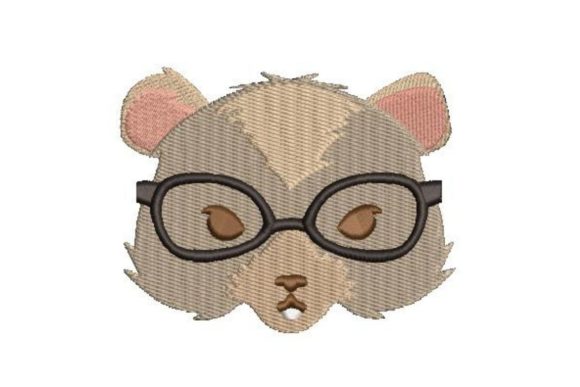
Hipster Gerbil: A Designer's Take on Modern Embroidery
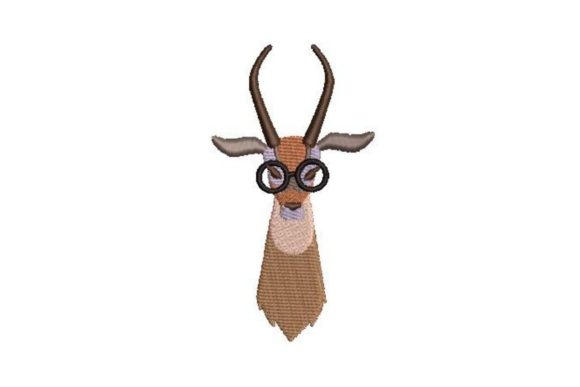
When I first pulled up the Hipster Gerbil file on my screen, I didn't just see another cute animal motif; I saw a specific vibe that fits perfectly into the current trend of quirky, personality-driven decor. As someone who spends hours digitizing and reviewing designs for real-world application, my first instinct is always to look past the preview image and imagine the needle hitting the fabric. This design, part of a broader Woodland Animals collection, stands out because it bridges the gap between traditional nature themes and modern, urban aesthetics. It's not just a gerbil; it's a character with an attitude, likely sporting accessories that give it that distinct "hipster" flair.
First Impressions and Visual Personality
The immediate appeal of Hipster Gerbil lies in its playful yet refined composition. In the world of machine embroidery design, balance is everything. You want enough detail to make the subject recognizable and charming, but not so much density that the fabric puckers or the stitch time becomes unreasonable. From what I can gather from the description emphasizing "funny" and "great decorations," this design likely utilizes a mix of satin stitch for clean outlines and fill stitch areas to create texture in the fur or clothing elements. The layout feels intentional, suggesting it was digitized with visibility in mind, ensuring that even from a distance, the silhouette reads clearly.
For Etsy sellers and craft business owners, visual personality translates directly to sales. Customers aren't just buying a stitched image; they are buying a feeling. This design evokes a sense of whimsy and individuality. It feels at home on a tote bag carried by a college student, a patch on a denim jacket, or a pillow cover in a eclectic living room. The "hipster" theme allows it to transcend age groups, appealing to anyone who appreciates a touch of humor in their handmade product.
Real-World Application: The Custom Tote Scenario
Let's walk through a realistic scenario where I would deploy this embroidery file. Imagine a client requests a series of reusable shopping bags for a local indie bookstore's holiday promotion. They want something that isn't generic but still fits a literary, slightly alternative aesthetic. Hipster Gerbil is the perfect candidate here.
I would select a heavy-weight canvas tote bag design blank in a natural or muted sage color. The contrast between the earthy fabric and the vibrant thread colors likely required for the gerbil's accessories would pop beautifully. Before committing to the final run, I'd stitch a sample on a scrap piece of the same canvas. This step is crucial. Even with a well-digitized file, the interaction between the needle, the thread, and the specific fabric texture can vary. I'd be checking to ensure the stitch density doesn't cause the canvas to warp, which is a common issue with dense animal fills.
Once satisfied with the test, I'd hoop the bag carefully, perhaps using a tear-away stabilizer to support the weave without leaving residue. The result? A unique, conversation-starting finished product that elevates the brand of the bookstore. It's no longer just a bag; it's a statement piece. This is exactly the kind of value addition that allows small shop products to compete with mass-produced goods.
Versatility Across Products
Beyond tote bags, the versatility of Hipster Gerbil is impressive. Here is how I see it performing across different mediums:
- Sweatshirt Embroidery: Placed on the left chest or as a large back graphic on a fleece hoodie, the design adds a cozy, fun element. The thickness of sweatshirt material usually handles fill stitches well, provided the stabilizer is robust enough to prevent sinking.
- Baby Embroidery: For a nursery setting, this could be adorable on a bib or a onesie. However, extra care must be taken with thread choice—opting for softer, baby-safe threads—and ensuring no scratchy backing remains against the skin.
- Embroidered Patch: If you have the capability to do free-standing lace or dense border stitching, turning this into an iron-on patch is a fantastic way to sell design assets physically. Patches are huge right now and allow customers to apply the art to existing gear.
- Holiday Embroidery: Don't limit this to everyday use. With the right color swaps (perhaps adding a Santa hat or holding a candy cane), it becomes a perfect personalized gift for the holidays.
Technical Considerations and Potential Pitfalls
While Hipster Gerbil is charming, a professional reviewer must also address where caution is needed. Not every surface is suitable for every design. If you are planning to stitch this onto a stretchy fabric like a thin t-shirt jersey, you must be vigilant about stabilization. The weight of the embroidery could cause the garment to hang unevenly over time. Similarly, if you are attempting this on a curved surface like a cap, ensure the design width fits within the limitations of your cap frame and that the column stitches (if any) are oriented correctly to follow the curve without gaping.
Another area of concern is small hoop sizes. If the design is intricate, shrinking it to fit a 4x4 hoop might compromise the clarity of small details, such as the gerbil's glasses or facial expression. Always check the minimum recommended size before resizing. Furthermore, when working on dark fabric, consider whether the design includes an underlay or if you need to manually add one to prevent the background color from showing through the lighter thread areas.
Maximizing Value and Professionalism
The true test of a design like Hipster Gerbil is how it impacts your brand perception. High-quality embroidery signals professionalism. Sloppy stitching, puckering, or poor thread choices signal the opposite. By choosing a design with strong structural integrity, you build customer trust. When a buyer sees crisp edges and smooth fills, they perceive higher value, which justifies a higher price point for your custom apparel or home goods.
For those creating printable mockups for online listings, this design offers excellent photogenic potential. Its distinct shapes translate well in photos, helping your digital storefront stand out. Whether you are an apparel decorator fulfilling bulk orders or a hobbyist making gifts for friends, the consistency of the output matters.
Final Verdict and Designer Notes
In conclusion, Hipster Gerbil is a solid addition to any embroidery project library, particularly for those focusing on lifestyle and novelty items. It captures a specific cultural moment while remaining timeless enough to last beyond the trend cycle. However, success lies in the execution.
Before you start stitching for profit or pleasure, keep these practical notes in mind:
- Test First: Always stitch a sample on scrap fabric similar to your final material. Check for registration issues and thread breaks.
- Check Licensing: The description mentions creating decorations, but always verify the specific license terms regarding commercial embroidery. Can you sell the finished physical item? Can you resell the digital file? Clarity here protects your business.
- Thread Contrast: Experiment with thread palettes. While the default colors might be great, customizing them to match a client's brand colors can set you apart.
- File Formats: Ensure you have the correct digital embroidery file format for your specific machine model to avoid conversion errors that can ruin stitch quality.
- Washability: If the end product is meant to be washed frequently (like a kitchen towel or baby item), ensure your stabilizer choice supports durability and that the stitch density won't degrade quickly.
By approaching Hipster Gerbil with a critical eye and a plan for execution, you can transform a simple digital file into a high-value asset for your creative enterprise. It's a reminder that in our industry, the magic happens not just in the download, but in the thoughtful application of the craft.