Bacon Embroidery Design: A Designer's Review for Kitchen & Apparel
There is a specific kind of charm in food-themed machine embroidery design files that instantly connects with people. We all know the universal appeal of breakfast favorites, and when I first loaded the Bacon embroidery file onto my screen, I immediately saw its potential for more than just novelty items. As a designer who spends hours tweaking digitizing settings and testing fabrics, I look for designs that balance whimsy with technical execution. This particular piece promises to bring a smile to anyone's face, but the real question for us crafters and Etsy sellers is: how does it actually stitch out, and where does it fit best in a commercial or personal catalog?
First Impressions and Visual Personality
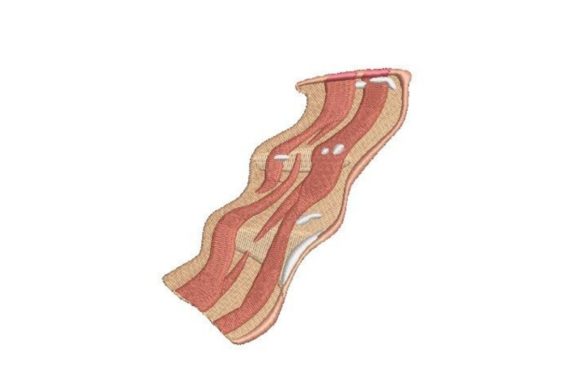
The initial visual impact of the Bacon design is undeniably cheerful. It captures the iconic wavy shape and appetizing texture of cooked bacon without getting bogged down in hyper-realism that might confuse the thread. The layout feels organic, suggesting a playful mood that fits perfectly into the Food category while maintaining the clean lines necessary for high-quality Embroidery.
From a design perspective, the interplay of light and dark tones implied in the preview suggests a smart use of thread colors. A good food design needs to evoke appetite or nostalgia, and this one leans heavily into the "comfort" vibe. It doesn't scream; it whispers a friendly hello. This subtlety is crucial because it allows the design to transcend simple gag gifts and become a legitimate part of a boutique brand's aesthetic. Whether you are aiming for a rustic farmhouse look or a modern diner vibe, the visual personality here is versatile enough to adapt.
Real-World Application: The Kitchen Towel Test
To truly evaluate this asset, I imagined a specific real-life scenario: creating a set of custom kitchen towels for a housewarming gift. Kitchen linens are a staple for handmade product sellers, but they present unique challenges. The fabric is often textured, like waffle weave or linen, which can distort fine details.
In this context, the Bacon design shines as a focal point. Placed in the corner of a flour sack towel, it acts as a perfect personalized gift element. The shape is distinct enough to be recognizable even from a distance, making it ideal for hanging displays in a home. However, if you were to scale this up for a larger embroidery project, such as an apron bib, you would need to pay close attention to the stitch density. Dense areas on an apron that sees frequent washing and ironing can lead to puckering if the stabilizer isn't chosen correctly. For a tea towel, a lighter cut-away or tear-away stabilizer usually suffices, but always test on scrap fabric first.
Versatility in Custom Apparel and Accessories
Beyond the kitchen, this design has serious potential in the realm of custom apparel. Imagine a cozy Sunday morning sweatshirt featuring a small bacon motif on the chest pocket area. This type of sweatshirt embroidery is trending among lifestyle brands that focus on comfort and humor. The design's simplicity means it won't get lost in the fleece texture, provided the underlay is sufficient.
I also see strong applications for tote bag design. Canvas bags are durable, but the weave can be coarse. The Bacon motif, with its likely mix of satin stitch borders and fill stitch interiors, should hold up well on canvas. It could easily become a signature logo for a breakfast café or a fun add-on for a grocery shopper bag. For those running a craft business, offering this as an option on denim jackets or caps could differentiate your small shop product line. Just remember that curved surfaces like caps require careful hooping and potentially a different digitizing approach to prevent distortion on the edges of the bacon strips.
Technical Considerations for Professional Results
While the design is charming, professional execution requires a critical eye. One area to watch is the detail level in the "fatty" versus "meaty" sections of the bacon. If the transition between these areas relies on very short running stitch connections or tiny color changes, it might not translate well on stretchy fabrics like jersey knits used for baby embroidery. Babies move, and their clothes stretch; a rigid design can crack or pull.
Furthermore, consider the background. On dark fabric, ensure the design has enough contrast. If the original file uses light browns and tans, it might vanish against a navy or black garment unless the digitizer included a solid underlay or outline. Always review the design in a black-and-white mockup to check for value contrast before committing to a full production run. This step is vital for maintaining brand consistency and ensuring your finished product looks professional regardless of the garment color.
Practical Notes for Designers and Makers
Before integrating this into your inventory, here are a few practical steps to ensure success:
- Test on Scrap Fabric: Never skip this. Stitch the design on the exact material you plan to sell to check for puckering or registration issues.
- Check Thread Contrast: Ensure your chosen thread palette creates enough definition between the different parts of the bacon strip.
- Review Stitch Density: High density can make a design stiff. If using on soft garments, you may need to adjust settings or choose a lighter weight stabilizer.
- Confirm Hoop Size: Verify that the design fits comfortably within your available hoop sizes, leaving room for proper framing.
- Inspect Small Details: Look closely at the ends of the bacon strips. Are they sharp or rounded? Do they connect cleanly?
- Licensing Check: Since this description mentions multiple file formats, confirm the license terms. Can you sell finished items? Can you resell the digital file? This is critical for commercial embroidery projects.
Final Verdict on Market Viability
The Bacon embroidery design is a solid addition to any library focused on lifestyle, kitchen, or casual apparel themes. Its strength lies in its relatability and clear silhouette. For an Etsy seller or creative entrepreneur, it offers a low-risk entry point into food-themed goods. It appeals to a broad demographic, from foodies to parents looking for cute holiday embroidery ideas for stockings.
However, its success depends entirely on execution. The difference between a cheap-looking patch and a premium embroidered patch or garment often comes down to thread quality, stabilizer choice, and fabric compatibility. By treating this design with the same rigor you would apply to a complex logo, you can elevate it from a simple clipart-style image to a valuable design asset that drives customer trust and engagement. Whether used for a printable mockup to gauge interest or stitched directly onto a pillow cover for a holiday gift, this design holds promise for those willing to put in the preparation work.
Ultimately, in the world of handmade goods, the story behind the product matters. A bacon design isn't just about meat; it's about lazy Sundays, family breakfasts, and the joy of cooking. When you stitch this onto a product, you are selling that feeling. Just ensure the technical side supports the emotional appeal, and you will have a winner on your hands.