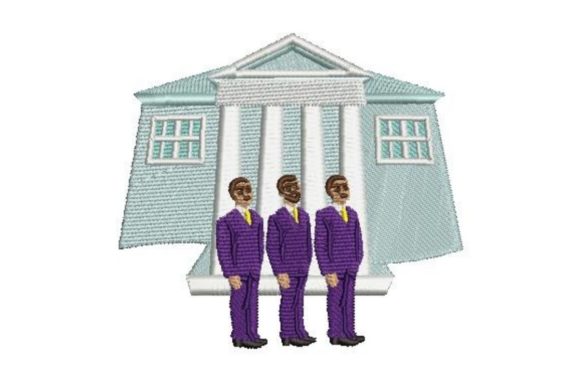
Fraternity Brother: A Designer's Take on Brotherhood Embroidery
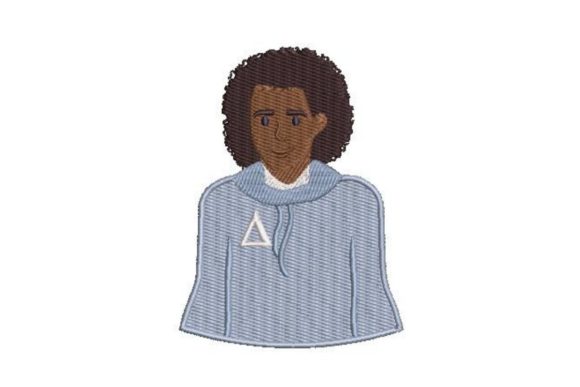
When I first pulled up the Fraternity Brother file on my screen, my immediate reaction wasn't just about the aesthetic; it was about utility. As someone who spends hours hooping fabric, threading needles, and troubleshooting tension issues for clients, I look at every machine embroidery design through a lens of practicality. Does this stitch out cleanly? Will it hold up after a wash cycle? Is it versatile enough for a small shop product line? This design, categorized under Boys and intended for general Embroidery use, promises a sense of camaraderie and weekend vibes, but let's dig into how it actually performs in a real-world craft business setting.
First Impressions and Visual Personality
The visual personality of Fraternity Brother leans heavily into casual, spirited branding. It captures that specific mood of brotherhood and shared experience without feeling overly aggressive or cluttered. The layout suggests a balance between bold statement pieces and subtle detailing, which is crucial when you are trying to appeal to a demographic that values both style and substance.
In terms of shape and theme, the design feels ready for apparel. It doesn't scream "novelty item" so much as it suggests a custom piece of gear you'd actually want to wear. For an Etsy seller or a boutique owner, this is gold. You aren't just selling a digitized pattern; you are selling an identity. The design's structure implies a mix of stitch types—likely utilizing satin stitch for crisp outlines and text, paired with fill stitch areas to give weight to the graphics. This combination usually results in a professional finish that elevates a simple t-shirt into a handmade product with perceived value.
Real-World Application: The Sweatshirt Test
To truly evaluate Fraternity Brother, I imagined a specific scenario: a rush order for a local fraternity reunion. The client wanted matching sweatshirt embroidery for ten brothers. This is where the rubber meets the road. Sweatshirts often feature textured fabrics like French terry or heavy cotton blends, which can be tricky for detailed designs.
If I were stitching this today, I would immediately consider the stitch density. Dense designs on thick, looped fabrics can cause puckering if not managed correctly. The Fraternity Brother motif seems robust enough to handle the texture of a hoodie, provided you use the right stabilizer. For a project like this, I'd recommend a cut-away stabilizer rather than tear-away. Since these garments will be worn frequently and washed often, the longevity of the stitch is paramount. A tear-away might leave the design vulnerable to shifting over time, whereas a cut-away provides permanent support, ensuring the finished product looks as good six months from now as it did on the hoop.
Beyond sweatshirts, this design translates well to other mediums. Imagine applying it to a canvas tote bag design for carrying textbooks or gym gear. The boldness of the graphic would stand out against the neutral backdrop of natural canvas. Alternatively, it could serve as a fantastic embroidered patch. By stitching the design onto twill and then cutting it out (perhaps using an applique technique if the file supports it or adding a merrow edge manually), you create a versatile accessory that can be ironed onto jackets or backpacks. This versatility makes it a strong candidate for design assets in a broader commercial embroidery catalog.
Navigating Technical Challenges
While the design shows promise, there are areas where a designer needs to exercise caution. If you plan to scale Fraternity Brother down for smaller items, such as a baby onesie or a pocket logo on a cap, you must scrutinize the tiny details. Small lettering or intricate corners can easily become a blob of thread if the thread colors are too similar or if the running stitch elements are too fine for the fabric type.
For baby embroidery, comfort is key. A design intended for older boys or men might have a stitch count that is too stiff or scratchy for sensitive skin. In this case, I would advise testing the design on scrap fabric first to feel the back of the stitching. If it feels rough, you might need to adjust your underlay settings or choose a softer backing material. Similarly, when working with stretchy fabrics like performance tees, the hoop size and tension must be dialed in perfectly to prevent distortion. The design should breathe with the fabric, not fight against it.
Dark fabrics present another consideration. If the Fraternity Brother file relies on dark thread colors for shading, it might get lost on a navy or black garment. Always test your thread color contrast on the actual garment color you intend to sell. Sometimes, a simple swap to a lighter shade or adding a white underlay can make the difference between a muddy mess and a crisp, professional logo.
Commercial Viability and Brand Consistency
For craft business owners, consistency is the backbone of brand trust. Using a reliable digital embroidery file like this one helps maintain a standard of quality across your inventory. Whether you are creating holiday embroidery gifts or stocking up on custom apparel for a campus event, the reliability of the stitch-out affects customer retention. If a customer receives a shirt where the letters are tangled or the fabric is puckered, they won't come back.
Fraternity Brother has the potential to be a staple in your shop because it taps into a perennial market: group identity. People love personalized items that signify belonging. By offering this design on various products—from pillow covers for dorm rooms to kitchen towels for a house gift—you expand your reach without needing entirely new designs. However, before listing these items, verify the licensing terms. The description mentions creating awesome gifts, but always confirm if the license allows for unlimited commercial sales of the physical finished goods or if there are restrictions on selling the digital file itself.
Final Verdict and Designer Notes
In conclusion, Fraternity Brother is a solid contender for designers looking to expand their catalog of group-oriented apparel. Its strength lies in its adaptability across different garment types, from heavy hoodies to light tees, provided the technical setup is correct.
Before committing to a large production run, here are my top recommendations:
- Test on Scraps: Never skip the test stitch. Use the same fabric and stabilizer combination you plan to use for the final sale.
- Check Contrast: View your mockups in black and white to ensure the design holds its shape without relying solely on color.
- Mind the Hoop: Confirm the required hoop size fits your machine and the garment area you intend to decorate, especially for curved surfaces like caps.
- Review Density: If the design feels too stiff after stitching, consider reducing the fill density in your editing software if you have the editable source file.
- Verify Licensing: Ensure you are compliant with the creator's terms regarding commercial embroidery and resale.
Ultimately, this design offers a great opportunity to create meaningful, high-quality items that resonate with customers. With careful attention to fabric choice and stabilization, Fraternity Brother can be a profitable and satisfying addition to your embroidery projects.