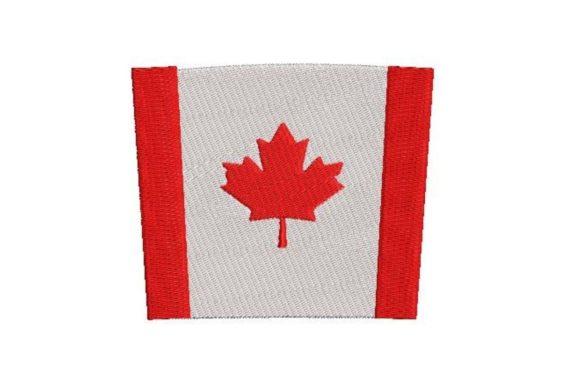
Review: 20 Oz Tumbler Wrap Canadian Leaf Design
As an experienced embroidery designer preparing for a busy weekend at the local craft fair, I spend a lot of time scrutinizing my digital assets before committing thread to fabric. The booth needs to pop, the products need to feel premium, and the designs need to sell themselves at a glance. Recently, I pulled up the 20 Oz Tumbler Wrap Canadian Leaf to evaluate its potential beyond just drinkware. While the title suggests a specific application, my goal is to determine how this machine embroidery design performs across a wider range of handmade product categories, from kitchen linens to wearable accessories.
First Impressions and Visual Appeal
The first thing that strikes me about the 20 Oz Tumbler Wrap Canadian Leaf is its inherent boldness. A maple leaf is an iconic symbol, instantly recognizable and deeply tied to national pride. Based on the description promising to "catch the eye," I am expecting a design that relies on strong silhouettes rather than intricate, fragile details. This is crucial for a craft fair product where customers are walking past tables quickly. If they can't identify the motif from three feet away, they won't stop to look closer.
The aesthetic feels festive yet rustic, perfect for the current trend of patriotic home decor and outdoor gear. It isn't overly ornate or delicate; it has a modern, clean vibe that translates well to various fabrics. Whether applied to a rugged canvas tote or a soft cotton tea towel, the design promises to add a touch of Canadian flair without looking cluttered. For an Etsy seller or boutique maker, this versatility is gold. It allows for a cohesive brand look across different items while maintaining high visual impact.
Adapting the Design for Diverse Products
While the name implies a wrap for a tumbler, limiting this digital embroidery file to stainless steel would be a missed opportunity. In my booth planning, I am considering where this design shines brightest among my inventory:
- Tote Bags and Market Bags: A large-scale version of the leaf on the side of a canvas tote makes for an excellent tote bag design. It serves as a statement piece that shoppers love for grocery runs or beach days.
- Kitchen Linens: For tea towel embroidery, the simplicity of the leaf works beautifully. Placed in the corner or centered near the hem, it elevates a basic flour sack towel into a giftable item.
- Aprons: An apron embroidery featuring this motif on the bib or pocket adds a charming, homey feel that appeals to cooks who love to show their heritage.
- Patches and Caps: If the stitch count allows for a dense fill, this could make a fantastic embroidered patch for iron-on applications or a front-center logo on a baseball cap.
- Pillow Covers: As a focal point on a throw pillow, the leaf creates a seasonal decorative accent that fits well in farmhouse or cabin-style interiors.
The key here is scalability. Does the 20 Oz Tumbler Wrap Canadian Leaf hold its integrity when resized? For a small shop product line, being able to use one asset across multiple categories reduces design time and increases profit margins.
Production Practicality and Stitch Quality
When moving from screen to hoop, practical concerns take over. The description notes that the file comes in multiple formats, which is standard for professional design assets, but it does not specify exact stitch counts or recommended hoop sizes. This is a critical detail I must verify before production begins.
If the design relies heavily on satin stitches for the leaf veins, I need to be mindful of stitch density. High density can lead to puckering on lightweight fabrics like linen tea towels or thin cotton pouches. Conversely, if it is a fill stitch design, I need to ensure the underlay is sufficient to prevent the fabric from showing through, especially if I plan to stitch on dark fabrics where contrast is key.
Another consideration is the surface texture. Embroidering on textured towels requires a different approach than smooth polyester tumblers or caps. The 20 Oz Tumbler Wrap Canadian Leaf might need adjustment in pull compensation when moving from a flat hoop to the curved surface of a cap. Without specific technical data provided in the description, my advice to fellow designers is to always run a test stitch-out on scrap fabric identical to your final product. Check the thread colors against your fabric choices; a red leaf on a navy background screams patriotism, but a green leaf on cream offers a more subtle, organic look.
Sales Strategy and Customer Engagement
In a crowded marketplace, the story you tell matters. This design sells an emotion: pride, connection, and identity. When setting up my display, I wouldn't just hang a towel; I would create a vignette. Imagine a stack of embroidered tea towels next to a matching tote bag and a finished tumbler (if using a printed wrap or sublimation blank alongside the embroidery). This cross-merchandising shows the customer the versatility of the 20 Oz Tumbler Wrap Canadian Leaf.
For online listings, the photography must capture the texture of the stitches. A flat printable mockup is useful for initial concepts, but nothing sells a handmade product like a close-up photo showing the sheen of the thread and the quality of the finish. Highlighting the "cool" factor mentioned in the description means showing the product in use—someone holding the tote, wearing the apron, or enjoying a drink.
Furthermore, batch production is essential for craft fairs. If the design is clean and doesn't require excessive thread trims or complex color changes, it becomes a highly efficient commercial embroidery candidate. I can hoop multiple items, run the machine, and have a stack of finished goods ready for the weekend rush. Efficiency directly impacts profitability.
Final Designer Notes and Recommendations
Before listing this as a finished product or selling it as a digitized file, there are a few housekeeping steps every professional should take. First, confirm the commercial licensing terms. The description hints at usability but doesn't explicitly state if reselling the stitched items is permitted without restriction. Always clarify this to protect your business.
Second, pay attention to the stabilizer. For a bold leaf design, using a cut-away stabilizer on stretchy fabrics or a tear-away on stable wovens will ensure the design lays flat and doesn't distort after washing. Third, consider the hoop size limitations of your machine. If the "wrap" aspect implies a long, narrow design, ensure your maximum hoop can accommodate it, or be prepared to split the design if necessary.
Ultimately, the 20 Oz Tumbler Wrap Canadian Leaf has strong potential as a versatile asset for any embroidery business. Its strength lies in its recognizability and adaptability. By testing it on various fabric textures, optimizing it for different applications, and presenting it with a clear brand narrative, this design can become a staple in your craft fair inventory. It bridges the gap between simple decoration and meaningful expression, which is exactly what today's handmade market craves.