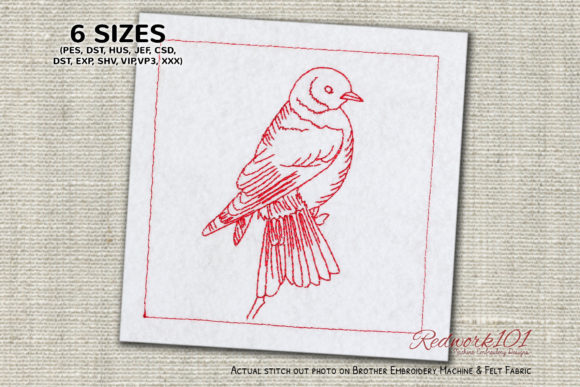
Mountain Bluebird Review: A Redwork Gem for Branding
As an embroidery designer who has spent years digitizing and testing files for commercial use, I approach every new machine embroidery design with a critical eye. It is not just about whether a bird looks pretty; it is about whether that bird can survive the industrial wash cycle of a café apron or stand out clearly on a textured tote bag. Today, I am reviewing the Mountain Bluebird, a redwork embroidery design that promises natural charm. For small business owners, Etsy sellers, and apparel decorators, the question is simple: does this file translate from a digital preview to a profitable piece of small business merch?
First Impressions: Rustic Elegance Meets Commercial Viability
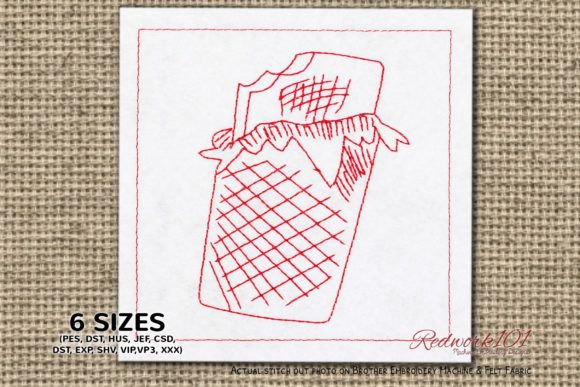
The moment you load the digital embroidery file for the Mountain Bluebird, the aesthetic is immediately clear. This is not a hyper-realistic, high-density render trying to mimic a photograph. Instead, it leans into the redwork style, which historically relies on single-color outlining to create depth through line work rather than fill saturation. My first impression is that this design feels handmade yet professional. It strikes a balance between rustic warmth and modern minimalism.
For brands in the boutique, bakery, or florist sectors, this visual personality is gold. It avoids the corporate stiffness of block logos while maintaining enough structure to be recognized as a brand mark. The description notes that the "Box Stitch" shown in promotional images is optional. This is a crucial detail for us as designers. It means the core asset is the bird itself, offering flexibility. You can frame it for a classic patch look or let it float freely for a more organic custom apparel application.
Real-World Application: Where This Design Shines
In a real case scenario, imagine a local coffee roaster looking to upgrade their staff uniforms. They need something that says "artisanal" without screaming "costume." The Mountain Bluebird works exceptionally well here as a chest logo accent on a denim work shirt. Because redwork typically utilizes lower stitch density than full-fill designs, it sits flatter on the fabric. This reduces the risk of the logo puckering or becoming uncomfortable against the skin, a common complaint with heavy embroidery on daily wear.
Beyond uniforms, this design is a strong contender for embroidered patch production. If your business sells merchandise, turning this file into an iron-on or sew-on patch allows customers to buy a piece of your brand identity. The clean lines of the bird translate well to twill or canvas backings. Furthermore, for event merch or customer gifts, consider applying this to tote bags. A tote bag design needs to be bold enough to be seen from a distance but delicate enough not to weigh down the fabric. The Mountain Bluebird hits this sweet spot, acting as a subtle signature rather than an overwhelming graphic.
For those running a creative studio or pet brand, this asset can elevate product packaging accents. Imagine a small fabric tag sewn into the hem of a handmade blanket or the strap of a leather collar. The simplicity of the redwork style ensures that even at smaller scales, the silhouette of the bird remains recognizable, reinforcing brand identity and customer trust.
Technical Considerations for Production
While the aesthetic is promising, we must discuss the technical execution to ensure a high-quality finished product. Redwork designs live and die by their line quality. When reviewing the Mountain Bluebird, pay close attention to the spacing between lines. If the lines are too close together, they may merge during stitching, especially on fabrics with a loose weave or heavy fabric texture like wool or thick canvas.
There are specific scenarios where you must use caution. If you intend to use this for cap embroidery, remember that the curved surface of a front panel can distort linear designs. The bird's wings and tail need to be tested on a actual cap buckram to ensure the proportions do not look squashed. Similarly, if you are aiming for very small patch sizes, verify that the fine details of the beak and eye do not disappear. A design that looks crisp on a screen can turn into a blob of thread if scaled down too aggressively without adjusting the stitch count.
Color choice is another variable. While redwork implies red thread, do not feel bound by tradition. For dark uniforms, a standard red might get lost. You may need to adjust the thread colors to a brighter crimson or even a contrasting gold to ensure visibility. Always test the design in black and white first to check the contrast and definition before committing to a full production run.
Enhancing Brand Value Through Detail
How does a single bird design affect your bottom line? In the world of handmade products and boutique retail, perception is reality. A sloppy, puckered logo suggests a sloppy product. Conversely, a clean, well-executed Mountain Bluebird signals attention to detail. It tells the customer that you care about the tactile experience of your goods. This builds brand identity and fosters recognition. When a customer sees that same bird on your apron, your website, and the tag of the item they bought, it creates a cohesive visual language that screams professionalism.
Moreover, using a distinct design like this helps in creating effective printable mockups. Before you ever stitch a thread, you can place this design asset onto photos of your products to gauge market reaction. It serves as a versatile tool for marketing materials, allowing you to visualize the commercial embroidery project before investing in materials.
Designer Notes for Successful Implementation
To get the most out of the Mountain Bluebird, follow these practical steps before hitting the start button on your machine:
- Stabilizer Selection: Even with lower density, redwork requires proper support. Use a cut-away stabilizer for garments that will undergo frequent washing to prevent distortion over time.
- Hoop Size Verification: Confirm the required hoop size matches your machine's capabilities. Do not assume; check the file specifications provided by the seller.
- Fabric Testing: Always stitch a sample on the exact fabric you intend to use for the final product. Thread tension behaves differently on linen than it does on polyester blends.
- Commercial Licensing: Before selling items featuring this design, confirm the commercial licensing terms. Ensure you have the right to use the digital embroidery file for profit-generating activities.
- Mockup Approval: If working with a client, create a physical sample or a high-fidelity mockup for their approval to manage expectations regarding size and placement.
The product description mentions that the color of the outer elements and the box stitch are customizable or optional. This flexibility is a massive advantage. It allows you to adapt the Mountain Bluebird to fit seasonal collections or specific brand palettes without needing a new design entirely.
Final Verdict for Small Business Owners
The Mountain Bluebird is more than just a picture of a bird; it is a versatile design asset for the modern maker. Its redwork foundation makes it lightweight, adaptable, and aesthetically pleasing across various mediums, from apron embroidery to branded patches. While it requires careful attention to stitch density and fabric compatibility, the result is a mark of quality that enhances product value. For anyone in the business of creating tangible goods, this design offers a charming yet professional way to stamp your identity on the world. Just remember to check the specific file details regarding formats and dimensions before starting your next commercial embroidery project, as these specifics were not included in the brief description but are vital for production success.