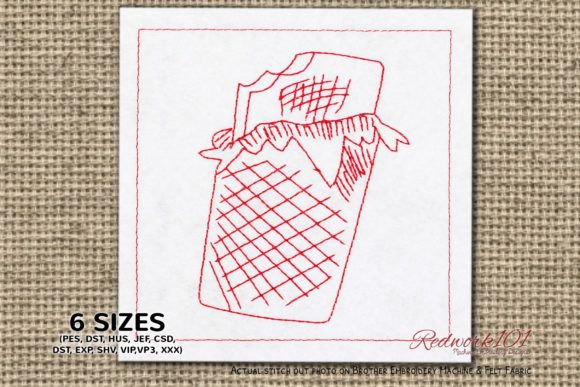
Chocolate Bar with Bite: A Redwork Review for Makers
As a designer who spends more time under the hoop than out of it, I approach every new machine embroidery design with a mix of curiosity and skepticism. We've all been there: you download a cute file, stitch it out, and realize the density is too high for a baby onesie or the details vanish on a textured towel. That is why I took a close look at the Chocolate Bar with Bite design. This isn't just another sweet treat graphic; it is a purposeful redwork piece that demands we think about line weight, negative space, and where it actually belongs in a professional portfolio.
The first thing that strikes me about this embroidery project is its mood. In a market saturated with heavy fill stitches and complex shading, a clean redwork style feels like a breath of fresh air. The concept is simple—a chocolate bar with a distinct bite taken out of the corner—but the execution relies entirely on the clarity of the running stitch. There are no fancy satin columns to hide behind here. If the digitizing isn't crisp, the whole thing falls apart. Fortunately, the layout feels intentional. The "bite" mark adds a playful, human element that suggests the product is ready to be enjoyed, which is a fantastic psychological hook for anyone selling handmade products related to food or comfort.
Real-World Application: The Kitchen Towel Test
To truly evaluate this design, I imagined a specific real-life scenario: creating a set of custom kitchen towels for a boutique home goods shop. Kitchen linens are a staple for Etsy sellers and craft fair vendors because they are affordable gifts with high perceived value. The Chocolate Bar with Bite fits this niche perfectly. Because it is described as a redwork embroidery, it inherently uses less thread than a full-fill design. This is a massive advantage for terry cloth or waffle weave fabrics where heavy stitching can cause puckering or make the towel feel stiff and unusable.
When visualizing this on a flour sack towel, the simplicity of the outline allows the texture of the fabric to shine through. A dense fill stitch would dominate the linen, but this design sits lightly on the surface. I can easily picture this stitched in a deep cocoa brown thread for a classic look, or perhaps a vibrant cherry red to pop against cream-colored fabric. For a small shop product, this versatility means you can offer color customization without worrying about complex thread changes slowing down your production line. It is the kind of embroidery file that lets you batch produce efficiently while maintaining a high-end, artisanal aesthetic.
Beyond the Kitchen: Apparel and Accessories
While the product description highlights home decor, my mind immediately went to custom apparel. Specifically, I see this working beautifully on a pocket placement for a denim shirt or a canvas tote bag. The "bite" detail creates a natural focal point that draws the eye. However, we need to talk about fabric choices. Redwork relies on single runs of stitching. On a stretchy fabric like a jersey knit sweatshirt embroidery project, you must be vigilant about stabilization. Without a proper cut-away stabilizer, those long runs of running stitch could distort over time as the garment stretches and moves.
For a structured item like a cap or an embroidered patch, this design shines. The clean lines translate well to smaller scales, provided the hoop size allows for enough detail retention. If you are planning to scale this down for a hat front, you need to check if the gap representing the "bite" remains distinct. In some digitizing, small gaps close up when scaled down. Always stitch a test sample on scrap fabric that matches your final material before committing to a client order. This is especially true if you are using this for commercial embroidery where consistency is key to brand trust.
Design Nuances and Technical Considerations
One of the most interesting aspects mentioned in the product notes is the optional Box Stitch. This is a crucial detail for any serious maker. The inclusion of an optional element suggests the digitizer understands that context matters. Sometimes you want the chocolate bar floating freely; other times, perhaps for a label or a framed piece of nursery decor, you need it contained within a border. Having this option gives you flexibility without needing to edit the file yourself, which saves time and reduces the risk of corrupting the stitch data.
However, we must address the limitations of redwork on dark fabrics. Since this design relies on outlines rather than solid fills, stitching it onto a black hoodie might result in the design getting lost unless you use a very light or metallic thread. Contrast is king in embroidery. If you plan to sell this as a personalized gift on dark garments, consider whether the thread colors available to you will provide enough pop. A dark brown thread on a navy blue shirt might look muddy from a distance. Always create a printable mockup or do a physical stitch-out to verify visibility.
Furthermore, the durability of running stitch designs on items that undergo frequent washing, like tea towels or baby embroidery projects, is something to monitor. While redwork is generally durable, the ends of the threads need to be secured meticulously. Unlike a satin stitch column which locks itself in, long running stitches can sometimes snag if not trimmed and backed properly. For items destined for heavy use, I recommend using a high-quality stabilizer and perhaps a light application of fray check on the backside of the knots, ensuring the finished product stands the test of time.
Final Verdict for Creative Entrepreneurs
The Chocolate Bar with Bite is a charming addition to any library of design assets, particularly for those focusing on the dessert category. Its strength lies in its simplicity and adaptability. It avoids the common pitfall of over-digitizing, allowing the charm of the subject matter to take center stage. For the craft business owner, this represents a low-risk, high-reward design. It stitches out quickly, uses minimal thread, and appeals to a broad audience looking for whimsical home accents or fun apparel.
That said, success with this file comes down to preparation. Do not assume the default settings will work for every application. Check the stitch density against your specific fabric texture. Verify that the optional box stitch aligns with your aesthetic goals for the project. And most importantly, respect the licensing terms. If you are using this for digital product sellers or selling physical goods, ensure you have the right commercial license. When used with care and technical precision, this design has the potential to become a signature element in your shop, adding a touch of sweetness that customers will love.
In the end, good embroidery is about matching the right file to the right job. The Chocolate Bar with Bite earns its place in the rotation for kitchen textiles, casual wear, and decorative accents. It reminds us that sometimes, less really is more, and a single, well-placed line of stitching can say just as much as a thousand fills.