Egg Embroidery Review: A Craft Fair Staple
As an embroidery designer who has spent countless weekends behind a booth table, I have learned that the difference between a browsing customer and a buying customer often comes down to immediate visual recognition. When I pulled up the Egg machine embroidery design on my screen this morning, my first thought was not about stitch complexity, but about marketability. In the world of handmade goods, simplicity is often the highest form of sophistication. This design, categorized under Food and intended for kitchen projects, restaurant designs, and farm decor, offers a versatility that is rare in digital embroidery files.
First Impressions: The Power of Simplicity
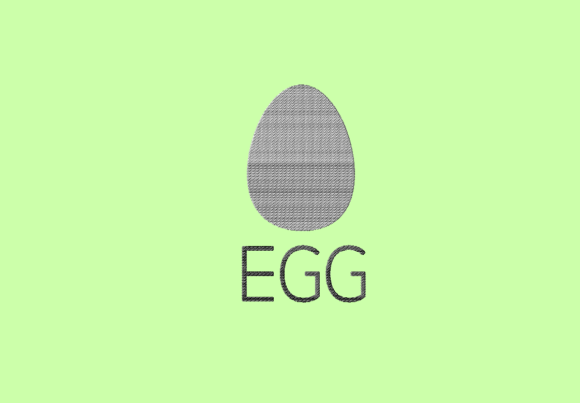
The description promises a "cute and simple" aesthetic, and in my experience, this is exactly what sells at spring and summer craft fairs. The Egg design does not try to be overly ornate. Instead, it leans into the modern farmhouse trend that continues to dominate home decor. It feels rustic yet clean, making it an ideal candidate for sellers who want to maintain a cohesive brand identity without overwhelming their product line with busy graphics. When you are setting up a booth, you need items that communicate their purpose instantly. An embroidered egg says "kitchen," "breakfast," and "home" in a single glance.
For Etsy sellers and boutique makers, this visual clarity is crucial. Online shoppers scroll quickly. A design that is bold and easily understood even in a small thumbnail image will perform significantly better than one with intricate details that get lost at low resolution. The Egg design appears to have the kind of open spacing and clear lines that photograph beautifully, ensuring your printable mockup looks as good as the finished product.
Product Applications and Market Fit
When evaluating a new design asset, I always ask: where does this live? For the Egg embroidery file, the answer is almost everywhere in the kitchen and dining sphere. Here is how I would deploy this design across various small shop products:
- Tea Towel Embroidery: This is perhaps the strongest application. Linen or cotton tea towels are high-volume sellers. The simple nature of the egg allows it to sit comfortably in the corner of a towel or centered as a focal point. It appeals to customers looking for affordable, giftable handmade products.
- Apron Embroidery: A bistro-style apron featuring this design creates an instant narrative. It suggests a love for cooking and baking. For restaurant designs or home chefs, this adds a professional yet personal touch.
- Tote Bag Design: Canvas market bags are staples at craft fairs. Placing the Egg design on a natural-colored tote creates a charming, eco-friendly vibe that resonates with farmers' market shoppers.
- Embroidered Patch: If the design scales down well, it makes for an excellent iron-on or sew-on patch. Patches are low-cost, high-margin items that allow customers to customize their own jackets or bags.
- Caps and Beanies: A small, centered egg on a dad hat or beanie can be a subtle nod to farm life or culinary passion. However, this requires careful hoop placement.
Production Practicality for Batch Selling
From a production standpoint, time is money. A "simple" design usually implies lower stitch density and fewer color changes, which translates to faster run times on your machine. This is vital for commercial embroidery operations where you might need to produce twenty aprons in a weekend. If the Egg design maintains its integrity without excessive trimming or jump stitches, it becomes a reliable workhorse in your library.
However, simplicity can be deceptive. You must check the stitch density. If the design uses satin stitches for the outline, ensure they are not so wide that they snag on loose-weave fabrics like linen. Conversely, if it uses fill stitches, ensure they are not so dense that they pucker thin cottons. The description mentions it comes with multiple embroidery files, which is a significant advantage. This likely means you have different sizes optimized for different hoop sizes. Always verify this before purchasing.
Careful-Use Notes and Technical Considerations
While the concept is straightforward, execution requires attention to detail. Here are specific areas where I recommend caution when using this design:
- Fabric Texture: Kitchen towels often have a waffle or textured weave. If the Egg design has very fine details or tiny lettering, these may get lost in the texture. Test on actual scrap fabric, not just smooth cotton, to ensure clarity.
- Curved Surfaces: If embroidering on caps, the curved surface can distort circular or oval shapes. The egg shape is naturally forgiving, but you must use the correct stabilizer. A cut-away stabilizer is often better for structured caps to prevent shifting during wear.
- Thread Colors: Since this is a food-themed design, thread choice defines the mood. White on white can look elegant and premium but may lack visibility from a distance at a craft fair. Consider using contrasting thread colors like soft yellow, cream, or even pastel blue for a playful twist. High contrast helps the design pop in online listings.
- Dark Fabrics: If you plan to offer this on navy or black tote bags, ensure the design does not rely on subtle shading. Solid, bright threads will stand out best against dark backgrounds.
Enhancing Visual Appeal and Brand Consistency
Using the Egg design consistently across your product line can strengthen your brand. Imagine a booth display where the same motif appears on pillows, towels, and aprons. This repetition creates a professional, curated look that builds trust with buyers. It signals that you are a serious designer, not just someone stitching random images.
Furthermore, this design supports the "farm decor" niche effectively. By pairing the embroidered items with other rustic elements in your booth—such as wooden crates, fresh flowers, or ceramic bowls—you create a lifestyle vignette. Customers are not just buying an embroidered towel; they are buying into the cozy, wholesome aesthetic that the Egg represents. This emotional connection drives higher engagement and increases the perceived value of the handmade product.
Final Designer Verdict
Before you commit to full production, treat this like any new design asset. Run a test stitch-out on the exact fabric you intend to sell. Check the back of the embroidery to ensure the stabilizer is adequate and the tension is balanced. Create at least one real mockup to see how the design sits in context. Does it look centered? Is it too large or too small?
Also, confirm the commercial licensing terms. As an Etsy seller or craft fair vendor, you need to know if the digital embroidery file allows for unlimited physical sales. Most designers do, but it is essential to read the terms included with the download.
In conclusion, the Egg machine embroidery design is a strong contender for any seller focusing on kitchen and home goods. Its simplicity is its strength, offering flexibility across various products while maintaining a clear, appealing aesthetic. With proper technical execution and strategic placement, this design can become a consistent seller in your inventory, helping you stand out in the crowded marketplace of handmade goods.