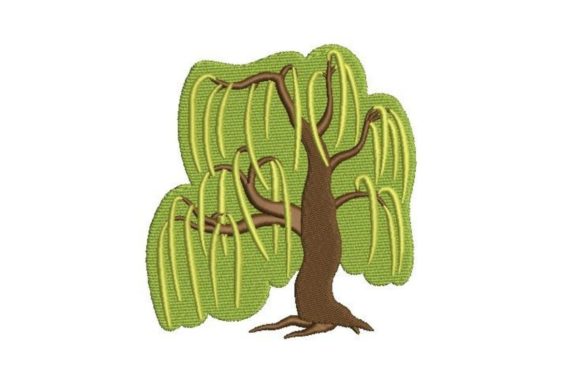
Weeping Willow: A Designer's Review for Real Projects
As a designer who spends more time staring at stitch maps than actual trees, I approach every new machine embroidery design with a mix of curiosity and skepticism. We all know the feeling: a digital preview looks lush and perfect, but the moment the needle hits the fabric, reality sets in. Recently, I took a close look at the Weeping Willow design from the Forest category to see if it holds up under the scrutiny of real-world production. This isn't just about whether it looks cute on a screen; it's about whether it can carry the weight of a paid client order or become a staple in your craft business inventory.
The First Impression: Mood and Visual Personality
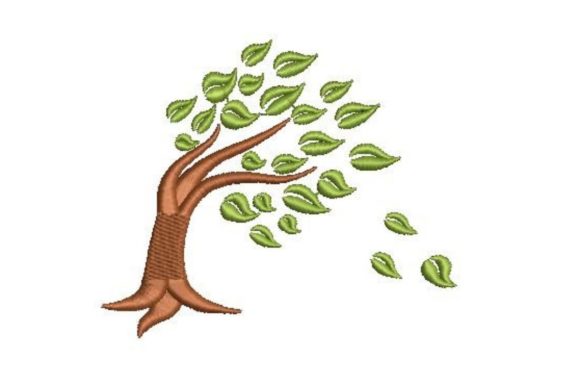
When you first load the digital embroidery file for Weeping Willow, the immediate takeaway is its gentle, flowing character. Unlike rigid geometric patterns or bold lettering, this design relies on organic curves to mimic the natural droop of willow branches. For an Etsy seller or boutique owner, mood is everything. This design screams "serenity" and "nature," making it an instant fit for nursery decor, spa-themed linens, or eco-friendly apparel lines.
The layout feels balanced, avoiding the common pitfall where nature designs become too dense in the center and sparse at the edges. The digitizer seems to have understood that a willow is defined by its movement. In terms of visual personality, it strikes a chord between whimsical and sophisticated. It's not overly childish, which broadens its appeal beyond just baby items, yet it retains enough softness to work beautifully on personalized gifts for weddings or housewarmings.
Real-World Application: From Mockup to Finished Product
To truly test the viability of Weeping Willow, I imagined a specific scenario: a custom order for a local boutique needing a series of tote bags and linen tea towels for a spring collection. The goal was to create a handmade product that felt high-end but approachable.
On a canvas tote bag design, the Weeping Willow shines. The structure of the bag supports the stitching well, allowing the branches to drape naturally without distorting the fabric. If you are planning sweatshirt embroidery, this design works equally well on the chest or sleeve, provided you account for the garment's thickness. The flow of the branches complements the casual drape of a sweatshirt, adding a touch of elegance to streetwear.
For those focusing on baby embroidery, this design is a strong contender for onesies or blanket corners. However, scale is critical here. You must ensure the design is resized appropriately so the delicate trailing branches don't get lost on a small garment. As a small shop product, it offers versatility. You could easily pair it with minimal text for a monogrammed pillow cover or let it stand alone as a focal point on an apron.
Technical Performance and Stitch Quality
The description notes that this is a "perfectly digitized" design, but what does that mean for the machine? In my assessment, the success of Weeping Willow lies in its likely use of varied stitch types. A good nature design usually employs a mix of running stitch for fine twigs, satin stitch for defined trunks, and perhaps light fill stitch for foliage density.
If the stitch density is too high, you risk puckering, especially on lighter fabrics like cotton voile or linen. If it's too low, the design lacks presence. Based on the visual complexity, this design appears to strike a happy medium, but it demands respect during setup. The "fancy touch" mentioned in the product details suggests attention to detail in the leaf tips and branch ends. These small areas are where poor digitizing usually fails, resulting in bird-nesting or broken threads. A well-executed version of Weeping Willow should render these details cleanly, enhancing the finished product's perceived value.
Navigating Fabric Challenges and Hoop Constraints
While Weeping Willow is versatile, it is not universal. There are specific scenarios where you need to proceed with caution. First, consider the hoop size. Nature designs often have wide, sweeping elements. If your project involves a cap or a small pocket, verify the dimensions before purchasing. Trying to cram a wide willow spread into a 4x4 hoop might require splitting the design or losing essential aesthetic elements.
Fabric texture also plays a massive role. On textured fabrics like terry cloth or heavy wool, the finer details of the weeping branches might get swallowed by the pile. Conversely, on very thin or stretchy fabrics, the weight of the stitching could cause distortion if the correct stabilizer isn't used. For custom apparel made from jersey knits, a cut-away stabilizer is non-negotiable to maintain the shape of those long, hanging branches after multiple washes.
Dark fabrics present another consideration. If you are stitching white or light green thread on navy or black, ensure the digitizing includes proper underlay stitches to prevent the background fabric from peeking through the foliage. This affects the thread colors contrast and overall clarity. Always run a test on scrap fabric that matches your final material. This simple step saves money and protects your reputation as a professional.
Commercial Viability and Brand Consistency
For commercial embroidery projects, consistency is key. If you plan to sell hundreds of units featuring Weeping Willow, the design must reproduce identically every time. Designs with long runs of satin stitch or intricate traveling stitches can sometimes vary slightly depending on machine tension and thread brand.
From a branding perspective, Weeping Willow adds a layer of professionalism. It signals to customers that you care about aesthetics and quality. Whether used for holiday embroidery gifts or year-round boutique merchandise, it elevates the item from a generic commodity to a thoughtful personalized gift. It builds customer trust because it looks intentional and well-crafted.
However, before listing this as a design asset in your shop or using it for client goods, you must confirm the licensing terms. The product description mentions it comes in multiple formats, but it cuts off regarding usage rights. Do not assume commercial rights are included. Check the specific license to see if you can sell finished physical items or if there are restrictions on the number of units. This due diligence is vital for any creative entrepreneur.
Final Verdict for the Working Designer
The Weeping Willow design holds significant promise for designers looking to expand their nature-themed portfolio. Its strength lies in its adaptability across various embroidery projects, from home accessories to wearable art. The emotional resonance of the willow motif connects well with current trends favoring botanical and calming imagery.
That said, it requires a knowledgeable hand. It is not a "load and go" design for beginners who haven't mastered stabilizer selection or thread tension. To get the best results, treat it with the respect a complex nature scene deserves. Test it on different backgrounds, check the stitch-out in both color and black-and-white mockups to gauge contrast, and always prioritize the stability of the fabric.
If you can navigate the technical nuances, Weeping Willow becomes more than just a pattern; it becomes a reliable tool for creating beautiful, marketable goods. It fits seamlessly into the Forest category, bringing a piece of the outdoors into indoor spaces with grace and precision. For the Etsy seller or studio owner willing to put in the prep work, this design offers a solid return on investment in terms of aesthetic appeal and customer satisfaction.