Vintage Heart Cross Stitch Pattern Review for Craft Fairs
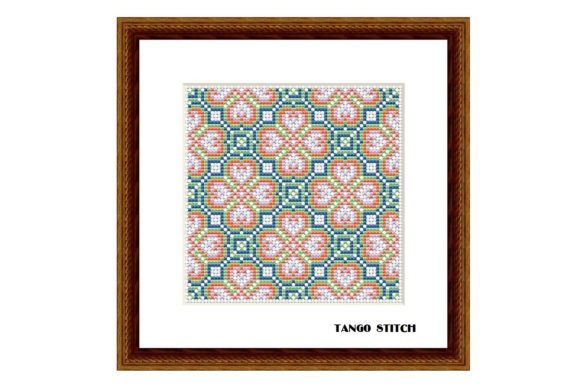
As an embroidery designer preparing for a busy weekend at the local artisan market, my eyes are always scanning for designs that stop customers in their tracks. When I pulled up the Vintage Heart Cross Stitch Pattern, my first instinct was to evaluate it not just as a pretty picture, but as a viable craft fair product. In the world of handmade goods, aesthetics are important, but practicality and visual impact are what drive sales. This design immediately struck me as having a strong "farmhouse chic" and "rustic romantic" vibe. It feels soft yet bold enough to serve as a focal point on various items. For Etsy sellers and boutique makers looking to expand their inventory with something that appeals to the current trend of nostalgic, handcrafted home decor, this pattern offers significant potential.
First Impressions and Market Appeal
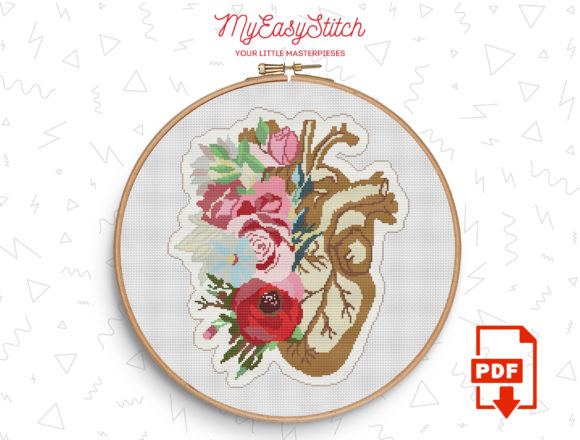
The moment you view the Vintage Heart Cross Stitch Pattern, the aesthetic is unmistakable. It leans heavily into the popular cottagecore and modern farmhouse styles that dominate social media and craft markets today. The use of a heart motif suggests universal appeal, making it suitable for Valentine's Day, weddings, anniversaries, or simply as year-round home decor. With 19 required colors using DMC stranded cotton, the palette likely offers enough depth to create shading and dimension without becoming overwhelmingly complex for production. For a small shop product, this balance is crucial; it looks high-end and detailed but remains achievable for batch production. The design feels decorative and premium, suggesting that finished items made with this pattern could command a higher price point than simple, single-color logos.
Ideal Products for Booth Displays
When setting up a booth, variety is key, but cohesion is king. I envision the Vintage Heart Cross Stitch Pattern shining brightest on specific handmade products. Given the embroidered area of approximately 10.71 x 12.43 inches, this is a substantial design. It is too large for a standard left-chest logo on a polo shirt but perfect for a tote bag design centered on the front panel. Imagine a natural canvas tote with this vintage heart stitched in warm, earthy tones; it would be an instant bestseller for grocery shoppers and book lovers alike.
Furthermore, this pattern is ideal for apron embroidery. A linen or cotton apron featuring this large heart would appeal to bakers and gardeners, fitting perfectly into the "homemaker" narrative many customers love. Similarly, tea towel embroidery is a fantastic application. Since the specifications call for 14 count Aida, transferring this look to a flour sack towel (which has a similar open weave) would maintain the authentic cross-stitch texture while providing a useful kitchen item. Other strong contenders include pillow covers, where the 12-inch height fits standard throw pillows perfectly, and market bags. While it might be too large for a small embroidered patch unless significantly scaled down (which risks losing detail), it works beautifully as a standalone statement piece on fabric pouches or wall hangings.
Production Practicality and Batch Selling
For those of us running a business, time is money. The specifications indicate "full cross only" stitches with a count of 150 x 174. This is a relatively low stitch count for the physical size of the design, which is excellent news for production speed. Unlike dense satin stitch machine embroidery design files that can take hours and break needles, a cross-stitch style pattern moves quickly. However, since this is technically a Cross Stitch Patterns graphic intended for hand stitching or perhaps conversion, one must consider the method. If hand-stitching for a premium "truly handmade" label, the 19 thread colors mean frequent changes. For a craft fair, I would recommend pre-threading bobbins or organizing floss stations efficiently. If adapting this as a digital embroidery file for a machine to mimic the look, the low density means it will lie flat and not pucker the fabric, a common issue with thick towels.
The repeatability of this design is high. Once you have your workflow down for one tote or pillow, you can replicate it easily. This makes it a strong candidate for creating a cohesive collection for your booth. Customers love seeing a matching set, such as a tote, a tea towel, and a pillow all featuring the same Vintage Heart Cross Stitch Pattern. This encourages multiple-item sales and increases the average transaction value.
Visual Impact and Photography
In the age of online selling, how a product photographs is just as important as how it looks in person. This design, with its defined shape and likely contrasting thread colors, should photograph exceptionally well. It creates a clear silhouette that reads clearly even in thumbnail images on Etsy or Instagram. For printable mockup creation, the distinct lines of the cross-stitch style translate well digitally, allowing you to create compelling design assets for your listings before you even stitch the first thread. The "vintage" feel adds a layer of storytelling to your brand, suggesting heritage and care, which enhances perceived value. When displayed on a booth table, the texture of the cross-stitch catches the light differently than flat prints, drawing the eye and inviting customers to touch and inspect the finished product.
Critical Considerations for Execution
While the potential is high, there are careful-use notes every designer must heed. The specification mentions 14 count Aida. If you plan to stitch this on different fabrics like thick canvas totes or textured waffle towels, the fabric texture can interfere with the clarity of the crosses. You must ensure the fabric weave is compatible or use a waste canvas technique to maintain the grid structure. Additionally, while the design is large, scaling it down for smaller items like caps or coin purses is risky. The 150 x 174 stitch structure might lose definition if shrunk too much, turning distinct crosses into a muddy blob. Always test the design on scrap fabric first.
Thread contrast is another vital factor. With 19 colors, ensure there is enough distinction between adjacent shades so the image doesn't look flat. When working on dark fabrics, you may need to adjust the thread palette or add a backing to prevent the garment color from showing through the stitches. For curved surfaces like caps, a design of this size and rectangular nature may not hoop well or lay flat; it is better suited for flat panels. Finally, always confirm commercial licensing terms. Just because you purchase a pattern does not automatically grant the right to sell finished goods made from it. Verify that the Vintage Heart Cross Stitch Pattern allows for commercial use of the finished product before investing time and materials.
Designer's Checklist for Success
Before heading to the fair, run through this quick checklist to ensure your Vintage Heart Cross Stitch Pattern products are ready to sell:
- Test on Scrap: Stitch a sample on the exact fabric you intend to sell to check for puckering or coverage issues.
- Check Thread Contrast: Lay out all 19 DMC colors in natural light to ensure the gradient and details pop.
- Review Spacing: Ensure the 10.71 x 12.43 inch area fits comfortably on your chosen blank without hitting seams or pockets.
- Confirm Hoop Size: Verify your equipment or hand-hooping setup can accommodate the full design area.
- Inspect Stitch Density: If adapting for machine emulation, ensure the density isn't too high for lightweight fabrics.
- Use the Right Stabilizer: Even for cross-stitch styles on woven fabric, a light cut-away stabilizer can prevent distortion during washing.
- Create Real Mockups: Take photos of the actual stitched item, not just digital renderings, to build trust with buyers.
- Compare Fabric Colors: Test the design on cream, white, and natural fabrics to see which background makes the heart stand out most.
- Verify Licensing: Double-check the seller's terms regarding commercial embroidery and resale of finished items.
The Vintage Heart Cross Stitch Pattern is more than just a graphic; it is a versatile asset for the creative entrepreneur. Whether you are an Etsy seller looking to refresh your shop or a vendor prepping for a holiday market, this design offers the perfect blend of nostalgia, elegance, and producibility. By understanding its strengths and respecting its technical requirements, you can turn this single pattern into a standout collection that resonates with customers and boosts your bottom line.