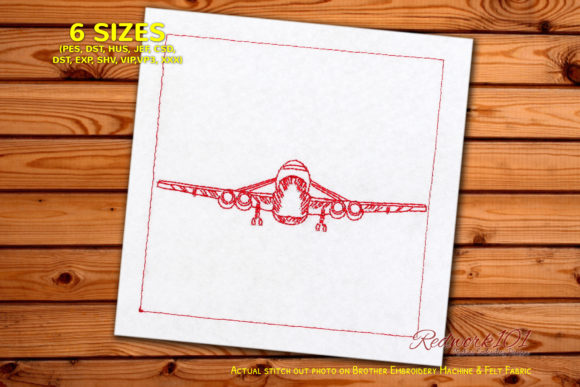
Reviewing Front View of Airplane for Brand Merch
As an embroidery designer who has spent years digitizing logos and reviewing assets for small business clients, I approach every new machine embroidery design with a critical eye. It is not just about whether the image looks cute on a screen; it is about how it translates to fabric, how it holds up in the wash, and most importantly, how it serves the brand identity of the business using it. Today, I am taking a close look at Front View of Airplane, a transportation-themed motif that promises to add an interesting touch to creative projects. For boutique owners, Etsy sellers, and apparel decorators, understanding the practical application of this design is crucial before committing to production.
First Impressions and Visual Personality
The title Front View of Airplane suggests a symmetrical, bold, and direct visual approach. In the world of Embroidery, symmetry is often a friend to the digitizer because it allows for balanced stitch placement, which reduces pull and distortion on the fabric. Based on the description, which highlights a "cool design" and mentions "Box Stitch," we can infer that this asset leans towards a structured, perhaps slightly geometric or textured aesthetic rather than a hyper-realistic photographic rendering.
For a small business, the visual personality of your merch matters. This design feels professional yet playful. It does not scream "corporate airline uniform" but rather suggests a love for aviation, travel, and engineering. This makes it versatile. It could feel rustic if stitched in earth tones on canvas, or modern and sleek if rendered in metallic threads on a dark performance fabric. The mention of aircraft fascination implies a niche appeal, which is gold for targeted marketing. Whether you are running a hobby shop, a travel blog merchandise line, or a STEM education center, this design carries a narrative of adventure and precision.
Real-World Applications for Small Business Merch
When I evaluate a digital embroidery file for commercial use, I mentally place it on various products to test its versatility. Here is how Front View of Airplane performs across different categories of small business merch:
- Embroidered Patches: This is arguably the strongest use case. A front-facing airplane creates a strong central focal point. If the design utilizes box stitches effectively, it will have a raised, tactile quality that customers love in patches. These can be ironed onto denim jackets, backpacks, or laptop bags, creating high-value add-ons for your store.
- Cap Embroidery: Caps require designs that are not too wide to avoid wrapping around the curve of the brim. A frontal view is typically narrower than a side profile, making it potentially ideal for the front panel of a trucker hat or dad cap. However, you must check the width dimensions to ensure it fits within the standard 2.5 to 3-inch constraint.
- Tote Bag Design: Canvas tote bags are staples for boutiques and bakeries. Placing this airplane motif on the lower corner or centered on the bag adds a whimsical touch. The sturdy nature of canvas supports heavier stitch counts, allowing the texture of the design to shine without sinking into the fabric.
- Apron Embroidery: For cafes or workshops, branded aprons are essential. A chest-pocket placement of this airplane design offers a subtle nod to the theme without overwhelming the customer’s view. It suggests movement and service, fitting well in hospitality environments.
- Custom Apparel: Think beyond t-shirts. Consider polo shirts for staff uniforms or hoodies for cooler weather. The design can serve as a left-chest logo, providing a professional finish that elevates the perceived value of the garment.
Technical Considerations and Production Risks
While the aesthetic appeal is clear, the technical execution determines whether the finished product looks premium or amateur. The description mentions "Box Stitch," which can imply satin columns or fill patterns with specific directional changes. Here are the areas where you need to exercise caution:
Stitch Density and Fabric Texture: If the design has high stitch density, it may cause puckering on lightweight fabrics like thin cotton tees or silk blends. Always test on a scrap piece of the exact fabric you intend to use. For delicate materials, you might need a lighter weight stabilizer or even a backing that is cut away rather than torn away to provide lasting support.
Small Patch Sizes: If you plan to shrink this design for a tiny label or a small lapel pin, details may get lost. Box stitches require a certain minimum width to form correctly. If the design is scaled down too far, the threads may merge, turning distinct shapes into a blob. Check the minimum recommended size in the file documentation.
Thread Colors and Contrast: A front view relies on symmetry and outline definition. On dark uniforms, ensure you are using high-contrast thread colors. A navy plane on a black shirt will vanish. Conversely, a white or silver thread on navy creates a crisp, professional look. Avoid using too many color stops if you are producing in bulk, as each stop increases production time and cost.
Curved Surfaces: As mentioned with caps, embroidering on curved surfaces requires careful hooping. Ensure the design is centered perfectly. A skewed airplane looks unprofessional and can damage the brand's reputation for quality.
Enhancing Brand Identity and Customer Trust
Your choice of design assets directly influences how customers perceive your brand. Using a cohesive theme like aviation across your product line builds recognition. If you are a travel agency, a flight school, or a model shop, Front View of Airplane reinforces your niche expertise. It signals to the customer that you pay attention to detail and share their passions.
Furthermore, high-quality embroidery conveys durability. Unlike printed graphics that crack and fade, embroidered logos last the life of the garment. This longevity translates to perceived value. When a customer buys a tote bag or a patch with this design, they are buying a piece of merchandise that feels substantial and well-made. This builds trust and encourages repeat business.
Practical Designer Notes for Implementation
Before you list this item in your Etsy shop or pitch it to a corporate client, follow these steps to ensure success:
- Test in Black and White First: Stitch out the design in a single color, such as black thread on white fabric. This reveals the structural integrity of the digitizing without the distraction of color. You can see if the shapes are recognizable and if the spacing is even.
- Check Hoop Size Compatibility: Confirm the hoop size required for the design. Ensure your machine can accommodate it, and that it fits comfortably on your intended garment without hitting seams or zippers.
- Create a Printable Mockup: Use digital tools to superimpose the design on photos of your products. This helps you visualize scale and placement before wasting thread and fabric. It is also a powerful tool for client approval.
- Verify Commercial Licensing: Never assume a file is free for commercial use. Check the license terms provided with the embroidery file. Ensure you have the right to sell physical products featuring this design.
- Inspect Spacing and Jump Stitches: Look at the stitch file in your software. Are there excessive jump stitches that need trimming? Is the underlay sufficient for the top stitching? Good digitizing minimizes cleanup time.
In conclusion, Front View of Airplane offers a compelling option for businesses in the Transportation sector or those looking to tap into the aviation enthusiast market. Its potential for use in patches, caps, and apparel makes it a flexible asset. However, its success depends entirely on thoughtful execution. By respecting the technical limits of embroidery, choosing the right fabrics, and aligning the design with your brand story, you can turn this digital file into a best-selling physical product. Always prioritize quality control, and let the craftsmanship speak for itself.