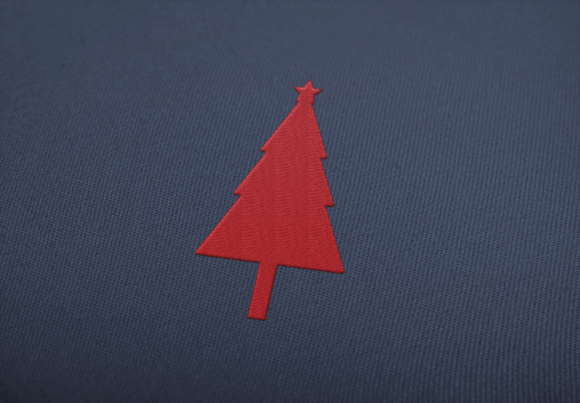
Reviewing Christmas Tree 1 for Craft Fair Success
As an embroidery designer who has spent countless weekends behind a booth table, I know that not every design translates into a bestseller. Some look great on a screen but fail to catch the eye in a crowded market. Today, I am putting Christmas Tree 1 under the microscope. This is not just about aesthetics; it is about viability. I am evaluating this machine embroidery design through the lens of a small shop owner preparing for the holiday rush. The goal is simple: determine if this asset will help move inventory, enhance brand consistency, and provide a strong return on investment for handmade product creators.
First Impressions and Design Aesthetic
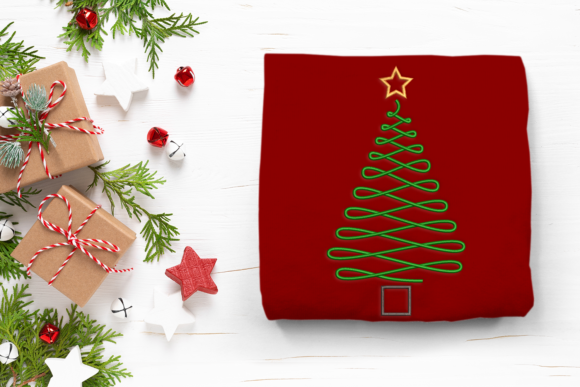
The description promises "lovely festive vibes," which is exactly what customers crave during the holiday season. When I visualize Christmas Tree 1, I see a design that leans toward simplicity. In the world of commercial embroidery, simple often sells better than complex. Complex designs can look cluttered from a distance, whereas a clean, recognizable silhouette stops shoppers in their tracks. This design appears to fit the modern rustic or farmhouse aesthetic that dominates current home decor trends. It feels approachable, warm, and traditional without being overly ornate. For an Etsy seller or boutique maker, this versatility is crucial. It does not scream "novelty"; instead, it whispers "classic holiday comfort," making it suitable for a wide demographic, from young families to older generations who appreciate traditional motifs.
Product Application and Market Fit
The true test of any digital embroidery file is its adaptability. Based on the suggestion to stitch it on table cloths, towels, hoodies, and gifts, I have mapped out where Christmas Tree 1 performs best in a real-world craft fair scenario.
- Kitchen Linens: This is arguably the strongest category for this design. Tea towel embroidery is a staple of holiday markets. A single, well-placed tree on a waffle-weave or linen towel creates an instant giftable item. The simplicity of the design ensures it does not overpower the fabric texture, allowing the natural weave to shine through.
- Tote Bags and Market Bags: A tote bag design needs to be bold enough to be seen from three feet away. If Christmas Tree 1 has clean lines, it will stand out beautifully on canvas or cotton totes. It transforms a generic bag into a seasonal essential.
- Apparel and Hoodies: For hoodies, placement is key. A left-chest placement offers a subtle, premium look, while a large back print makes a statement. However, one must consider the stretch of the fabric. This design seems ideal for stable fabrics like fleece or heavy cotton blends where the stitch density will not cause puckering.
- Embroidered Patches: If the design holds up at a smaller scale, it is perfect for iron-on or sew-on patches. Patches are high-margin, low-effort products that appeal to younger buyers looking to customize jackets or backpacks.
Production Practicality for Small Shops
For those of us running small shop products, time is money. The description notes that this is a "simple" embroidery design. In production terms, simplicity usually correlates with faster stitch-out times and fewer thread breaks. This is vital for batch production. If I am preparing fifty aprons for a weekend fair, I cannot afford designs that require constant monitoring. Christmas Tree 1 appears to be a workhorse design—reliable, fast, and consistent.
Furthermore, simple designs are easier to photograph for online listings. A clean printable mockup or a crisp photo of the finished product on a neutral background allows the design to pop. Complex designs often get lost in poor lighting, but a strong, simple shape like a Christmas tree retains its clarity even in thumbnail images on Etsy or Instagram. This visual appeal directly impacts buyer engagement and click-through rates.
Technical Considerations and Careful Use
While the design sounds promising, experienced embroiderers know that details matter. Before committing to a large run of commercial embroidery products, there are several technical factors to verify. Since the specific stitch count and file formats are not detailed in the brief description, you must check these details before production.
Stitch Density and Fabric Texture: If the design has dense stitch areas, it may pull on lightweight fabrics like silk or thin cotton. Always test the design on scrap fabric first. For textured towels, ensure the stitches are not so fine that they sink into the loops, losing visibility. Conversely, if the design is too open, it might look sparse on thick materials like denim or canvas.
Thread Colors and Contrast: The success of Christmas Tree 1 relies heavily on thread color choices. Traditional red and green are safe, but consider modern palettes like gold on navy, white on charcoal, or pastel greens on cream. High contrast ensures the design is understood at a glance. Low contrast might look elegant but fails to grab attention in a busy booth display.
Hoop Size and Stabilizer: Confirm the recommended hoop size. If the design is small, it might fit in a 4x4 hoop, allowing for multiple items to be stitched simultaneously. If it is larger, you may need a 5x7 or 6x10 hoop. Regardless of size, using the right stabilizer is non-negotiable. Cut-away stabilizer is generally best for garments that will be washed frequently, while tear-away works for stable home decor items like pillow covers.
Boosting Brand Consistency and Sales
Incorporating Christmas Tree 1 into your lineup can strengthen your brand identity. If your shop focuses on handmade, cozy goods, this design reinforces that narrative. It acts as a visual anchor across different product types. Imagine a customer seeing the same tree motif on a mug wrap, a tea towel, and a tote bag. This repetition creates a cohesive collection, encouraging bundle purchases.
For booth displays, use this design on your most visible items. Hang embroidered aprons at eye level. Drape tea towels over baskets. The familiarity of the Christmas tree symbol draws people in, but the quality of the embroidery keeps them there. Ensure that your finished product showcases neat backing and trimmed threads. Professional presentation elevates the perceived value of the item, allowing you to command higher prices.
Final Designer Notes
Before you list this as a top seller, take these final steps:
- Check Licensing: Confirm commercial licensing terms. Ensure you are allowed to sell physical items made with this digital embroidery file.
- Create Mockups: Generate at least one real mockup or take high-quality photos on actual fabric. Compare how it looks on dark versus light fabrics.
- Test Stitch Quality: Run a test stitch to inspect for jumps or loose threads. Adjust tension if necessary.
- Evaluate Scale: Ensure the design does not lose clarity if resized. Tiny details can vanish or become bulky if scaled incorrectly.
In conclusion, Christmas Tree 1 has the potential to be a cornerstone of your holiday inventory. Its simplicity, festive appeal, and versatility make it a strong candidate for craft fair products. By paying attention to fabric choice, thread contrast, and production efficiency, you can turn this design into a profitable segment of your handmade business. Remember, the best designs are those that not only look good but also work hard for your bottom line.