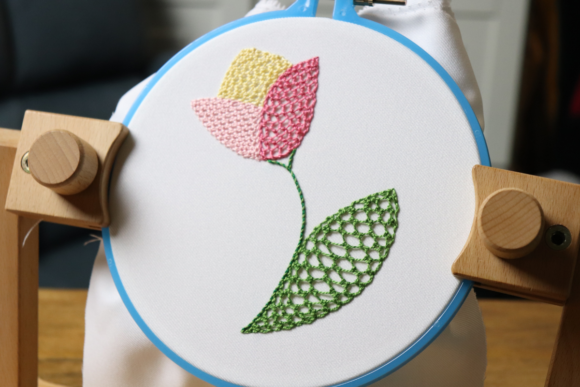
Review: Introduction to Needle Lace for Handmade Gifts
As an embroidery designer who has spent years digitizing patterns and stitching out thousands of designs, I am always on the lookout for resources that bridge the gap between traditional craft aesthetics and modern machine efficiency. When I first encountered Introduction to Needle Lace within the Classes category on Creative Fabrica, I was immediately drawn to its promise. Needle lace is a beautiful sewing technique that dates back centuries, evoking images of heirloom linens and delicate bridal veils. While most lace is made by machines nowadays, the stitches and methods of handmade needle lace are well worth exploring and adding to your digital toolkit. This review explores how this resource can elevate your machine embroidery design portfolio, specifically for those creating high-value, personalized gifts.
The Aesthetic Appeal: Timeless Elegance Meets Modern Convenience
The first impression of Introduction to Needle Lace is one of refined softness. In a market saturated with bold, cartoonish, or overly complex digital motifs, there is a profound demand for designs that whisper rather than shout. This collection captures the intricate, airy quality of hand-created lace without the hundreds of hours typically required to produce it by hand. For an experienced designer, the visual texture is key. The designs suggest a romantic, classic mood that fits seamlessly into current trends favoring cottagecore aesthetics, minimalist nursery decor, and sophisticated wedding accessories.
When evaluating the emotional appeal, I consider how the end recipient will feel. A gift featuring these lace-inspired elements feels intentional and luxurious. It transforms a simple cotton towel or a plain pillowcase into a cherished keepsake. The delicate lines and open spaces characteristic of needle lace styles add a layer of sophistication that appeals to buyers looking for something beyond standard retail fare. Whether you are aiming for a sweet baby shower present or an elegant anniversary gift, the aesthetic versatility here is significant.
Practical Applications for Etsy Sellers and Small Shops
For Etsy sellers and small business owners, the utility of an embroidery file is measured by its adaptability. Introduction to Needle Lace shines in its potential for diverse product lines. Here is how I envision integrating these designs into a commercial lineup:
- Baby Embroidery: Use softer thread colors like blush, sage, or cream on organic cotton muslin. The airy nature of lace designs prevents the fabric from becoming too stiff, which is crucial for sensitive baby skin.
- Wedding Gifts: Imagine monogrammed handkerchiefs or veil accents. The classic style complements bridal themes perfectly, offering a wedding gift option that feels bespoke and timeless.
- Home Decor: An embroidered towel featuring a lace border elevates a bathroom set. Similarly, applying these motifs to linen pillow cover inserts adds texture to living room decor without overwhelming the space.
- Apparel and Accessories: Consider blanket embroidery on fleece throws or subtle accents on denim tote bags. The contrast between rugged fabric and delicate lace stitching creates a compelling visual interest.
These applications are not just theoretical; they represent high-margin items for commercial embroidery. By offering personalized gift options, such as adding a name within the lace framework, you increase the perceived value and justify a higher price point.
Technical Considerations for a Flawless Finish
While the visual potential is high, practical execution requires attention to detail. As a designer, I always advise testing before committing to final production. Here are the critical technical factors to consider when working with lace-inspired designs:
Fabric and Stabilizer Selection
Lace designs often rely on negative space and fine lines. If you are stitching on textured towels or stretchy baby clothes, your choice of stabilizer is paramount. A cut-away stabilizer is generally recommended for garments to provide long-term support, while a tear-away might suffice for stable woven fabrics like linen or cotton canvas. Always test on a scrap piece of your actual production fabric. The fabric texture can significantly impact how the threads sit; a plush towel may swallow fine details, whereas smooth sateen will showcase them sharply.
Thread Colors and Contrast
The beauty of needle lace lies in its subtlety. When selecting thread colors, consider tonal variations rather than high contrast. For a handmade product intended to look like heirloom lace, using a thread color that matches or slightly shades the base fabric creates a sophisticated, embossed effect. However, if you want the design to pop on a dark fabric, ensure your thread has enough sheen, such as rayon or polyester, to catch the light. Avoid overly thick threads that might bulk up the delicate pathways of the lace pattern.
Density and Hoop Size
Check the stitch density of the files included in Introduction to Needle Lace. High-density fills can perforate delicate fabrics, leading to tearing after washing. Look for designs that utilize run stitches or satin stitches effectively to maintain the airy feel of lace. Additionally, confirm the hoop size compatibility. Some intricate lace borders may require a larger hoop to stitch continuously, while smaller motifs might fit in a 4x4 or 5x7 hoop. Always review the product details on Creative Fabrica to ensure the digital embroidery file formats match your machine’s capabilities.
Building Trust and Enhancing Perceived Quality
In the world of online selling, product photography is everything. Designs from Introduction to Needle Lace photograph exceptionally well because of their textural depth. When you create a printable mockup or stage a real-life photo, the interplay of light and shadow in the lace stitches adds dimension that flat prints cannot achieve. This visual richness translates to higher buyer engagement and trust. Customers perceive the item as a high-quality finished product rather than a mass-produced commodity.
Furthermore, offering custom embroidery services using these designs allows you to connect emotionally with your clients. A family pillow with a lace-framed surname or a baby blanket with a delicate lace-edged initial becomes a narrative piece. It tells a story of care and craftsmanship. This emotional value is what drives repeat business and positive reviews for small shop products.
Final Verdict and Best Practices
Before launching any new design into your store, follow these essential steps:
- Create a test stitch-out: Never skip this step. Verify that the tension is correct and that no thread breaks occur in the finer details.
- Check small details after stitching: Use a magnifying glass if necessary to ensure the lace loops are clean and not tangled.
- Review licensing terms: Always check the specific license provided with Introduction to Needle Lace on Creative Fabrica. Ensure you are compliant regarding the number of physical items you can sell.
- Wash test: Wash your sample piece to ensure durability. Lace designs should hold up without fraying or losing shape.
In conclusion, Introduction to Needle Lace is a valuable addition to any embroidery designer’s library. It offers a blend of historical charm and modern convenience, perfect for creating meaningful, high-quality personalized gifts. By paying attention to technical details like stabilizer choice and thread selection, you can transform these digital files into stunning physical products that resonate with customers seeking beauty and tradition in their handmade items.