Easter Chick in Egg: A Pro Review for Small Business Merch
As an embroidery designer who spends most of my day digitizing and testing files for commercial use, I approach every new machine embroidery design with a critical eye. It is not just about whether a file looks cute on a screen; it is about how that digital embroidery file translates to physical reality on a cap, a tote bag, or a staff uniform. Today, I am reviewing the Easter Chick in Egg design specifically for small business owners, boutique operators, and apparel decorators looking to capitalize on seasonal trends without sacrificing brand integrity.
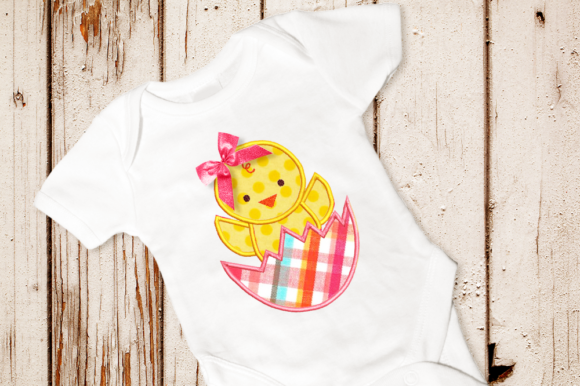
The first impression of this design is undeniably friendly and playful. Based on the description, which highlights an adorable baby chick nestled in an eggshell, the visual personality leans heavily into the "handmade" and "rustic" aesthetic rather than a corporate or ultra-modern look. This makes it an excellent candidate for businesses that want to project warmth and approachability. For a local bakery, a florist, or a pet brand, this imagery aligns perfectly with a customer base that values charm over sleek minimalism. However, for a high-end tech firm or a formal service provider, the whimsical nature of the chick might clash with a serious brand identity unless used ironically or as a limited-edition staff perk.
Real-World Application for Commercial Embroidery
When evaluating Easter Chick in Egg for small business merch, the versatility of the motif is its strongest asset. The description notes that the eggshell is perfect for adding a name. This is a crucial feature for commercial applications. Imagine a coffee shop creating limited-run aprons for their baristas during the spring season. By personalizing the eggshell with each employee's name, you transform a generic holiday graphic into a custom piece of custom apparel that fosters team spirit and customer connection.
For retail boutiques and Etsy sellers, this design shines as an embroidered patch. Patches are a low-risk way to test seasonal products. You can stitch this design onto twill or felt backing and sell them as add-ons to jackets, backpacks, or tote bags. Because the subject matter is specific to Easter, it creates a sense of urgency and exclusivity. Customers are more likely to purchase a "seasonal exclusive" item than a year-round staple. Furthermore, the design works well as a chest logo accent on work shirts for creative studios or as a sleeve detail on denim jackets sold in handmade markets.
The potential for tote bag design is also significant. Grocery stores and markets often seek branded bags during holiday rushes. A simple canvas tote featuring this chick offers a practical, reusable item that doubles as advertising. The key here is the scale; the design must be large enough to be readable from a distance but compact enough not to overwhelm the bag's surface area.
Technical Considerations and Production Challenges
While the aesthetic appeal is clear, a professional review must address the technical execution. The description mentions the option to "add your own bow." This implies that the base file might not include a bow, or it is a separate element. If you are producing these in bulk, you need to decide if hand-adding bows is feasible for your workflow. For high-volume commercial embroidery projects, manual embellishments can become a bottleneck. If the design relies on a 3D ribbon bow, ensure your pricing model accounts for the extra labor time.
Stitch density is another critical factor. Cute, rounded designs like a chick often require high stitch counts to achieve smooth curves and avoid a jagged appearance. High density can lead to fabric puckering, especially on lightweight materials like poly-cotton blends used in uniforms. Before committing to a large run, you must test the embroidery file on the actual fabric you intend to use. If the stitch density is too high for a thin apron fabric, the design may cause the material to warp, ruining the finished product.
Placement on curved surfaces, such as cap fronts, requires careful attention. The round shape of the egg complements the curve of a baseball cap, but the detailed features of the chick's face could get lost if the hoop curvature distorts the image. Additionally, if you plan to use this on dark uniforms, verify the thread colors included in the file. A yellow chick on a navy blue shirt needs high contrast to remain visible. You may need to manually adjust the thread chart in your embroidery software to ensure the yellows and oranges pop against darker backgrounds.
Strategic Use for Brand Identity and Trust
Incorporating seasonal designs like Easter Chick in Egg affects how customers perceive your brand. When executed professionally, it signals that your business is active, current, and attentive to details. It enhances customer trust by showing that you invest in quality design assets rather than using generic, clip-art-style graphics. However, consistency is key. If your brand usually employs stark, monochromatic logos, suddenly introducing a colorful, cartoonish chick might confuse your audience. It is best used as a temporary campaign element rather than a permanent logo change.
For handmade brands, this design reinforces the "crafted" narrative. Unlike heat transfers or screen printing, embroidery adds texture and perceived value. A customer holding a towel or tote with this stitched design feels the quality immediately. This tactile experience can justify a higher price point for your merchandise, directly impacting your product value and buyer engagement.
Essential Designer Notes for Production
Before you load this file into your machine for a client order, follow these practical steps to ensure success:
- Test in Black and White: Print a grayscale version of the design to check contrast. If the chick disappears against the egg in gray scale, it may lack definition on certain fabrics.
- Verify Hoop Size: The description does not specify the exact dimensions. Confirm the required hoop size before purchasing to ensure it fits your machine's capabilities, especially for smaller items like caps or pockets.
- Check Stabilizer Requirements: Given the likely density of a filled egg shape, use a proper cut-away or heavy tear-away stabilizer to prevent shifting during stitching.
- Review Licensing: Always confirm commercial licensing terms. Just because a file is available for purchase does not automatically grant rights for unlimited resale of physical goods.
- Create a Printable Mockup: Before stitching, generate a printable mockup to show clients how the design will look on their specific garment color and style.
- Inspect Spacing: Look closely at the spacing between the chick and the eggshell. Tight spacing can cause thread breaks or bird-nesting if the fabric texture is rough.
In conclusion, Easter Chick in Egg is a versatile and charming asset for the right business context. It excels in environments that value a personal, handmade touch, such as cafes, boutiques, and creative studios. By paying close attention to technical details like stitch density, fabric compatibility, and customization options, you can leverage this design to create memorable, high-quality merchandise that drives sales and strengthens your brand presence this spring. Remember to always request a sample stitch-out if possible, as seeing the physical result is the only way to guarantee the quality your customers expect.