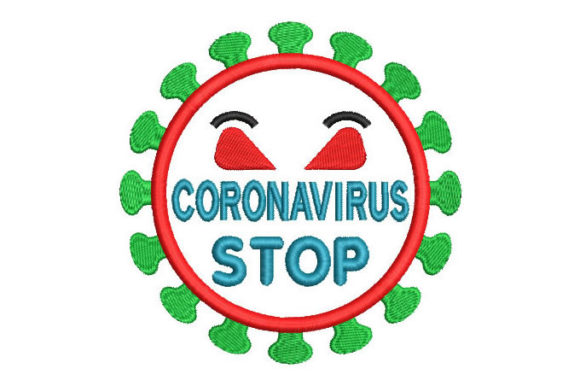
Coronavirus Stop: A Bold Statement for Craft Fairs
As an embroidery designer preparing for a busy weekend at the local artisan market, my table needs to tell a story. It isn't just about filling space with pretty threads; it is about curating a collection that stops customers in their tracks. When I first loaded the Coronavirus Stop machine embroidery design onto my screen, I knew immediately this was not a subtle farmhouse floral or a delicate monogram. This is a piece of Awareness art. It demands attention. For those of us running a small shop product line or an Etsy seller business, finding designs that bridge the gap between timely relevance and lasting aesthetic appeal is crucial. Here is my professional review of how this specific digital embroidery file performs when turned into tangible handmade product inventory.
First Impressions and Visual Impact
The initial vibe of Coronavirus Stop is undeniably bold and modern. Unlike the soft, rustic textures we often see in boutique makers' booths, this design leans into a graphic, high-contrast style. The description notes it is colorful, which suggests a vibrant palette capable of popping against neutral backdrops. In a crowded craft fair environment, where hundreds of booths compete for eye contact, a design that serves as a thought-provoking accent is gold. It feels less like traditional decor and more like a statement piece. Whether you interpret it as funny, serious, or purely decorative, it possesses a premium quality that elevates a simple cotton tote into a conversation starter. For creative entrepreneurs, this visual strength translates directly to buyer engagement.
Product Applications for Maximum Sales
When setting up my booth display, I have to consider where this design will shine brightest. The versatility of Coronavirus Stop allows it to work across various categories, but some applications yield better results than others.
- Tote Bags and Market Bags: This is the strongest contender. A large, centered placement on a canvas tote creates an instant tote bag design that people want to wear as a badge of their values. The flat surface ensures the stitch quality remains pristine.
- Aprons and Kitchen Towels: As a craft fair product, functional items sell well. Stitching this on an apron makes for a unique gift, though one must be careful with tea towel embroidery regarding fabric texture. Thick waffle weaves can sometimes distort fine details.
- Patches and Pouches: Creating standalone embroidered patch versions allows customers to add the message to existing jackets or bags. Small fabric pouches also work well if the design scale is adjusted correctly.
- Caps and Pillow Covers: While possible, curved surfaces on caps require extra stabilization. Pillow covers offer a great home decor angle, provided the design fits the hoop without excessive jumping.
For online listings, creating a printable mockup or photographing the finished product on a stark white background will highlight the color saturation. The design photographs exceptionally well because of its defined lines and likely high contrast between the thread colors and the fabric.
Production Realities and Technical Considerations
Turning a digital asset into a stack of sellable goods requires practical judgment. Before committing to batch production for a commercial run, there are several technical factors to evaluate with Coronavirus Stop.
First, consider the stitch density. Awareness designs often utilize solid fill areas to make text or symbols readable from a distance. If the density is too high on a lightweight fabric, you risk puckering or fabric distortion. Conversely, if the density is too low on a plush towel, the backing might show through. Always test the design on scrap fabric that matches your intended inventory. Check the spacing between elements; tight lettering or small icons can merge together if the thread tension is not perfect.
Another critical factor is the hoop size. The product description mentions it comes with multiple formats, but you must confirm which specific embroidery file fits your machine's maximum area. Do not assume; verify the dimensions before hooping expensive blank stock. Additionally, pay close attention to stabilizer selection. For a design meant to be a focal point, using a cut-away stabilizer is often safer than tear-away, especially for items like tote bags that will undergo washing and heavy use.
Navigating Fabric Challenges
Not all fabrics play nice with every design. When working with Coronavirus Stop, be wary of textured towels or thick denim. The "colorful" nature of the design implies distinct color blocks. On dark fabric, you may need an underlay stitch or a white base layer to ensure the colors remain true and do not get muddied by the garment color. Tiny details within the design may lose clarity if scaled down too small for a pocket logo or a child's item. It works best as a medium-to-large focal design rather than a tiny accent.
Strategic Value for Boutique Makers
From a business perspective, incorporating Coronavirus Stop into your lineup affects your brand consistency and booth display strength. It signals that your shop is current and aware of global conversations. This can drive impulse buys from customers looking for meaningful gifts. However, because it is an awareness piece, it occupies a specific niche. It may not appeal to everyone, but for those it does resonate with, the perceived value is high. It transforms a standard commercial embroidery item into something with emotional weight.
To maximize sales, pair this design with high-quality blanks. A cheap, thin t-shirt will undermine the premium look of the embroidery. Invest in sturdy canvas, crisp linen, or high-grade cotton blends. When customers touch the fabric and see the clean, dense stitching of the design, they justify the higher price point associated with handmade goods.
Final Designer Notes and Licensing
Before you list these items on Etsy or set up your table, there are housekeeping tasks that cannot be ignored. Since the provided description states the design comes with "multip" (implying multiple sizes or formats) but does not specify exact stitch counts or license terms, you must investigate further. Confirm commercial licensing explicitly with the designer or marketplace. Selling finished products usually requires a specific type of license different from personal use.
Create at least one real mockup to check the thread contrast in natural lighting. Screen colors often lie; what looks vibrant on your monitor might look dull under fluorescent market lights. Compare different fabric colors to see which combination makes the Coronavirus Stop message pop the most. Finally, inspect the jump stitches. If the design has long travels between color changes, you may need to trim them manually to ensure a clean finish on the back, especially for unlined items like patches or tea towels.
In conclusion, Coronavirus Stop is a powerful addition to an embroidery business portfolio. It is not just a pattern; it is a tool for connection. By respecting the technical requirements of the embroidery file and choosing the right products to showcase it, you can create a compelling display that honors the theme while driving sales for your handmade enterprise.